
The South Korea Electric Vehicle Battery Market is set to undergo transformative changes by 2031, driven by evolving technology, government initiatives, and a surge in global demand for electric vehicles (EVs). As one of the world’s leading innovators in battery technology, South Korea is positioned to play a pivotal role in shaping the future of the global automotive industry.
Introduction
With the increasing push towards sustainability, the automotive industry is experiencing a rapid shift from internal combustion engines to electric vehicles. This shift is creating a burgeoning demand for advanced battery technologies. The South Korea Electric Vehicle Battery Market is at the forefront of this evolution, leveraging its technological expertise and strong industrial base to meet global needs.
Key Market Trends
1. Rapid Advancements in Battery Technology
South Korea’s commitment to innovation is evident in the continuous advancements in battery technology. By 2031, we expect to see significant improvements in battery energy density, charging times, and overall efficiency. These advancements are crucial for extending the range of electric vehicles, reducing costs, and making EVs more accessible to the general public.
Solid-State Batteries
One of the most promising developments is the advent of solid-state batteries. These batteries offer higher energy density, reduced risk of fire, and longer life cycles compared to traditional lithium-ion batteries. South Korean companies, such as Samsung SDI and LG Chem, are heavily investing in the research and development of solid-state technology, aiming to bring these batteries to market by 2031.
2. Expansion of Manufacturing Capacity
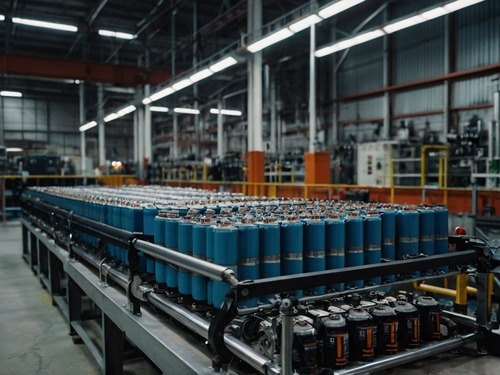
To meet the growing global demand, South Korean battery manufacturers are significantly expanding their production capacities. This expansion is not only focused on increasing output but also on enhancing the quality and sustainability of the production process. The government’s support through subsidies and tax incentives has been instrumental in this growth, helping companies to scale up operations and invest in state-of-the-art facilities.
Global Manufacturing Hubs
By 2031, South Korea is expected to establish itself as a global manufacturing hub for EV batteries. Companies like SK Innovation are already setting up production plants in key markets, including the United States and Europe, to cater to the growing demand from international automakers. This global expansion strategy is crucial for maintaining South Korea’s competitive edge in the industry.
3. Strategic Partnerships and Alliances
Collaborations between South Korean battery manufacturers and global automotive giants are becoming increasingly common. These strategic partnerships are essential for the development of customized battery solutions that meet the specific needs of different vehicle models and markets. By 2031, we can expect more such alliances, which will drive innovation and ensure a steady supply of batteries to the global market.
Joint Ventures and R&D Collaborations
Companies like LG Chem and Hyundai Motor Group are leading the charge in forming joint ventures and research collaborations. These initiatives are aimed at developing next-generation batteries that are more efficient, durable, and environmentally friendly. By pooling resources and expertise, these partnerships are expected to accelerate the pace of innovation in the industry.
Challenges and Opportunities
1. Supply Chain Management
One of the key challenges facing the South Korea Electric Vehicle Battery Market is the procurement of raw materials, such as lithium, cobalt, and nickel. Ensuring a stable supply chain is crucial for maintaining production levels and meeting the growing demand for batteries.
Sustainability Initiatives
To address these challenges, South Korean companies are exploring alternative materials and recycling initiatives. The focus on sustainability is not just a response to environmental concerns but also a strategic move to reduce dependency on volatile global supply chains.
2. Competition from Global Players
The global EV battery market is highly competitive, with players from China, Japan, and Europe vying for market share. South Korean companies must continue to innovate and improve cost-efficiency to maintain their leadership position in this dynamic market.
Leveraging Technological Leadership
South Korea’s strength lies in its technological leadership. By leveraging advancements in battery technology and maintaining a strong focus on quality, South Korean manufacturers are well-positioned to stay ahead of the competition and capture a significant share of the global market by 2031.
Conclusion
The South Korea Electric Vehicle Battery Market is on the cusp of significant growth and transformation. With advancements in technology, expansion of manufacturing capacity, and strategic partnerships, South Korea is set to play a crucial role in the global shift towards electric mobility by 2031. Despite the challenges, the opportunities for growth and innovation in this market are immense, making South Korea a key player in the future of the automotive industry.
No responses yet