
Introduction
The India Ready Meals Market is poised for substantial growth by 2031, driven by evolving consumer preferences, technological advancements, and a shift towards convenient food options. As lifestyles become busier and urbanization continues, ready meals are becoming an integral part of the Indian diet.
Market Overview
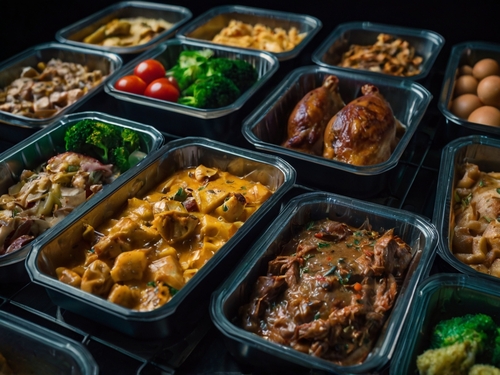
Ready meals, which include a variety of pre-packaged and easy-to-prepare foods, have seen a surge in popularity across India. The market has expanded to offer a wide range of options, from traditional Indian dishes to international cuisines, catering to diverse tastes and dietary preferences.
Key Trends Shaping the Market
Rise in Health-Conscious Consumers
As awareness about health and wellness increases, consumers are becoming more selective about their food choices. This trend is driving the demand for healthier ready meal options, including those with organic ingredients, low preservatives, and balanced nutritional profiles.
Technological Innovations
Technological advancements are playing a crucial role in shaping the India Ready Meals Market. Innovations in food processing and packaging are enhancing the shelf life and quality of ready meals. Techniques such as flash freezing, vacuum sealing, and modified atmosphere packaging help maintain the freshness and nutritional value of the food.
Growing Urbanization
The rapid pace of urbanization in India is significantly impacting the ready meals market. With more people moving to cities and adopting urban lifestyles, there is an increasing preference for convenient and quick meal solutions. Urban consumers, particularly working professionals and millennials, are driving this demand.
Market Segmentation
By Meal Type
- Breakfast Solutions: Ready-to-eat breakfasts like poha, upma, and instant cereals are becoming popular among time-strapped consumers.
- Lunch and Dinner Meals: These include traditional Indian meals such as biryani, rajma-chawal, and pulao, as well as international options like pasta and noodles.
- Snacks and Appetizers: Ready-to-eat snacks like samosas, kachoris, and sandwiches cater to the growing demand for quick bites.
By Consumer Demographic
- Working Professionals: This segment prefers ready meals due to their busy schedules and lack of time for cooking.
- Students: College and university students, particularly those living away from home, are major consumers of ready meals.
- Elderly Population: Ready meals offer convenience for elderly consumers who may find cooking cumbersome.
Challenges and Opportunities
Health and Nutritional Concerns
One of the main challenges in the ready meals market is addressing health and nutritional concerns. Consumers are increasingly wary of high sodium content, preservatives, and artificial ingredients. Manufacturers need to focus on developing healthier alternatives to gain consumer trust.
Expanding Distribution Networks
Expanding distribution networks, especially in tier II and tier III cities, presents a significant opportunity. While urban areas are the primary consumers, there is untapped potential in smaller towns and rural areas where the convenience of ready meals can be equally appealing.
Competitive Landscape
Leading Players
The India Ready Meals Market is highly competitive, with major players like ITC, Nestle, and Haldiram’s dominating the market. These companies have established strong brand loyalty and offer a wide range of products catering to different tastes and preferences.
Emerging Startups
The market is also witnessing the entry of numerous startups offering innovative and niche ready meal options. These new entrants are focusing on healthier, gourmet, and diet-specific meals, adding diversity to the market.
Consumer Behavior Trends
Preference for Authentic Flavors
Indian consumers have a strong preference for authentic flavors and traditional dishes. Ready meal manufacturers are focusing on providing meals that replicate the taste and aroma of home-cooked food to cater to this demand.
Increased Online Shopping
The rise of e-commerce and online food delivery platforms has significantly impacted the ready meals market. Consumers find it convenient to order ready meals online, benefiting from the wide variety and home delivery options.
Sustainability Trends
Eco-Friendly Packaging
Sustainability is becoming a key concern for consumers. There is a growing demand for eco-friendly packaging solutions that reduce environmental impact. Manufacturers are increasingly adopting biodegradable and recyclable packaging materials to meet this demand.
Ethical Sourcing
Consumers are also becoming more conscious about the ethical sourcing of ingredients. Ready meal companies are focusing on sustainable and ethical sourcing practices to appeal to this segment of consumers.
Conclusion
The India Ready Meals Market is set to experience robust growth by 2031, driven by changing consumer preferences, technological advancements, and urbanization. While challenges such as health concerns and competition exist, the opportunities for innovation and market expansion are immense. Companies that can adapt to consumer trends and address their needs effectively are likely to thrive in this dynamic market.
No responses yet